
What It Is
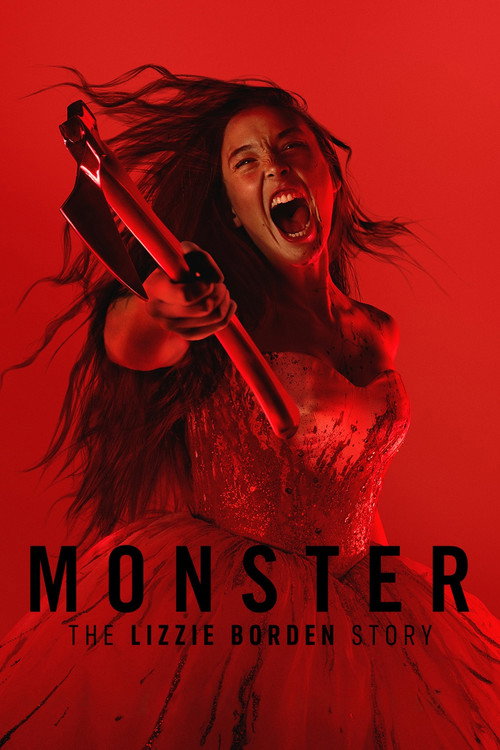
Season four of Ryan Murphy and Ian Brennan's Netflix anthology, this time setting up shop in 1890s Fall River, Massachusetts. Ella Beatty plays Lizzie, a thirty-something spinster stuck in a suffocating household with her father Andrew (Charlie Hunnam), stepmother Abby (Rebecca Hall), and older sister Emma (Billie Lourd). Vicky Krieps and Jessica Barden fill out the domestic pressure cooker. Sarah Paulson turns up as Aileen Wuornos in a framing conceit that connects the season to earlier installments. The early hours establish the money, the resentment, and the corset-tight rules Lizzie is chafing against. You know where this is heading. Everyone does. It's Lizzie Borden.
What It Gets Right
Beatty is genuinely interesting to watch. She plays Lizzie as a quiet, coiled thing, holding a room by refusing to react, and when she does finally register something the temperature drop is real. Rebecca Hall is the season's other anchor, doing more with sighs and side-eyes than most of the dialogue gives her. The Fall River production design is fussy in the good way — the wallpaper, the mutton, the airless parlors doing half the horror work before anyone raises their voice. Ian Brennan's scripts have a couple of scenes that actually stop and let the family eat dinner in miserable silence, and those are the best minutes of the show.
What It Gets Wrong
The season wants to be an essay on Victorian misogyny and it will not let you forget it. Characters keep pausing to state, out loud, exactly which gender-role brick is currently pressing on Lizzie's chest, and by hour three the effect is less "damning portrait" than "audiobook of the outline." Ryan Murphy's camp instincts and the material's earnest thesis are constantly at war. Beatty is stranded in scenes where the writing tells us she's a girlboss folk hero before the show has earned the reframe. The Wuornos framing is a stunt that gets less clever every time it cuts back.
Who This Is Actually For
Anyone who watched Dahmer and the Menendez season to the end will finish this one too. If you like Ryan Murphy's house style — the lacquered production, the auditioning monologues, the true-crime-as-melodrama pitch — you'll find things to enjoy. Viewers who bailed on the previous Monsters over exploitation questions will find the same problems here in a longer dress. If you want the Christina Ricci "Lizzie Borden Took an Ax" trash-flavored version, this is fussier. If you want something like "Mare of Easttown," it's not that either.
The Sentence
BACKGROUND TV because it's exactly that: a handsome, watchable, semi-committed thing you can fold laundry to. The Lecture Test is where it loses the higher tier. The season has a real argument to make about how a woman like Lizzie got squeezed until something broke, and instead of trusting Beatty and Hall to dramatize it, the scripts keep grabbing the megaphone. Themes get announced instead of felt. When the writing quiets down and lets the house do the talking, it's good. When it remembers it has a point to prove, it flattens. Put it on. Look up occasionally.