The Setup
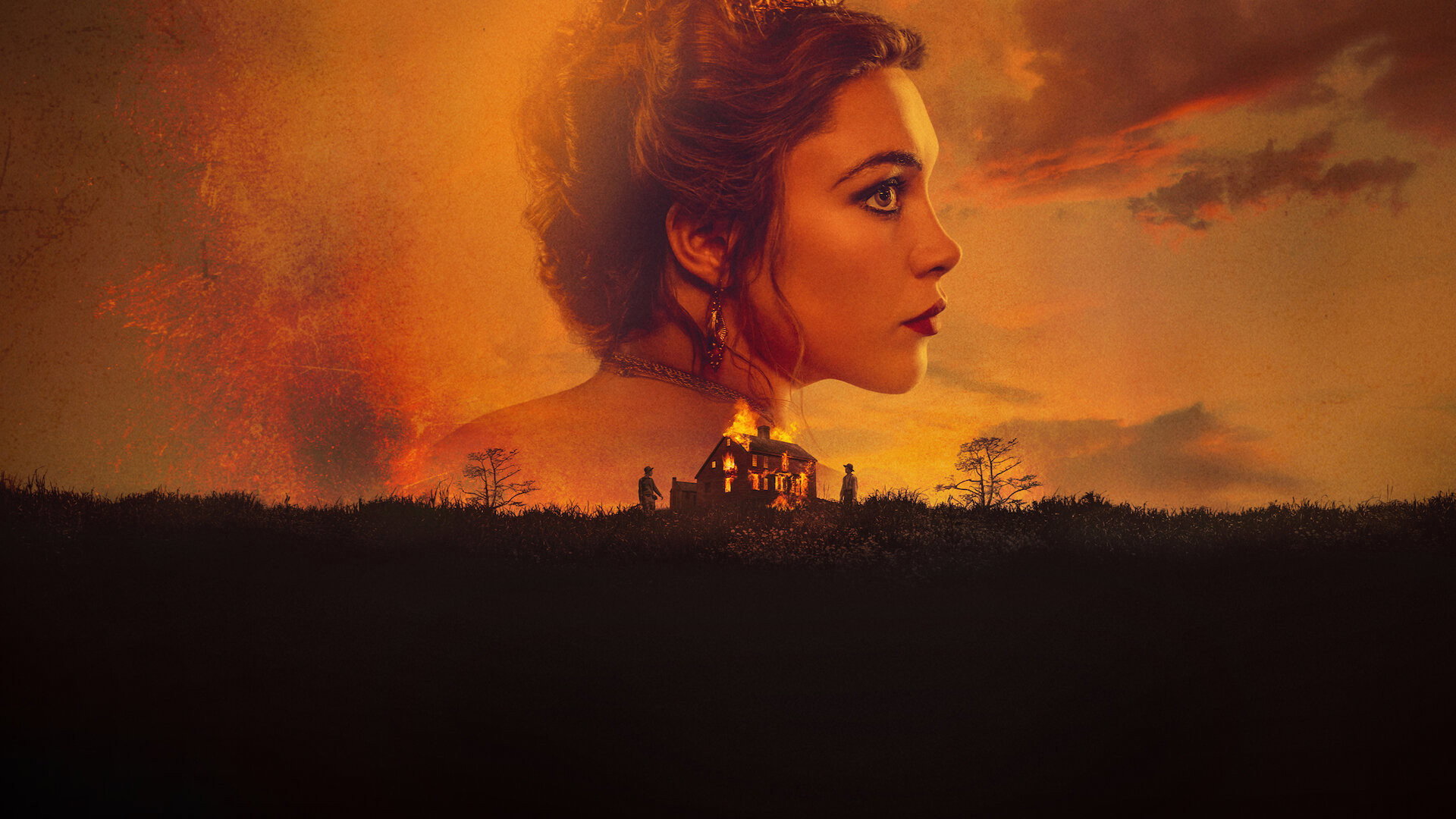
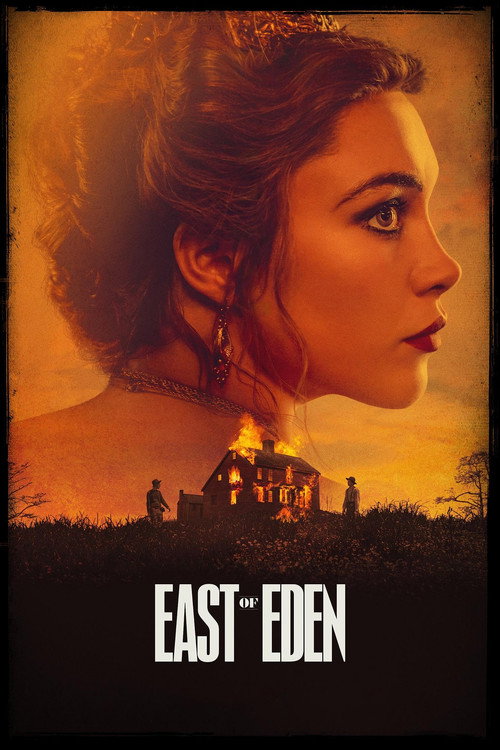
Netflix's seven-episode limited series, adapted and showrun by Zoe Kazan from Steinbeck's 1952 novel. Florence Pugh plays Cathy Ames, a young woman whose arrival pulls her into the orbit of the Trask brothers, Adam (Christopher Abbott) and Charles (Mike Faist), on their Connecticut farm before the story eventually migrates west to the Salinas Valley. Hoon Lee plays Lee, the Trask family cook and the moral center of the piece. Tracy Letts and Martha Plimpton round out the ensemble. The early hours are patient, pastoral, openly literary.
What Works
Pugh. That's most of it, and anyone who's watched her work since Lady Macbeth already knows what she does with a role like Cathy. She plays a character the book famously calls a monster without ever winking at the audience about it. Hoon Lee is the quiet revelation; critics have been reaching for the phrase "beating heart" for a reason. Kazan writes the show with real respect for Steinbeck's cadences but keeps far more of the novel than her grandfather Elia Kazan's 1955 film ever had room for. Christopher Abbott does a lot with stillness. The cinematography treats dirt, weather, and faces as the actual subjects. An 89% on Rotten Tomatoes isn't an accident; it's grown-up television that trusts you to sit with it.
The Case Against
It's long, deliberate, extremely interior. If you came for plot engines, you'll bounce. This is seven hours of a family trying and mostly failing to be good. The Steinbeck prose that's the whole appeal in print lands here as voiceover and dinner-table speeches, and when it drifts toward Big American Themes it occasionally sounds like Big American Themes. The novel's religious scaffolding is intact, so stretches of dialogue are essentially people arguing scripture at each other. Faist is good but underused in the opening stretch. And the middle episodes sag enough that even sympathetic critics flag it.
Who Should Watch
People who loved Pugh in Lady Macbeth or The Wonder. Viewers who sat through Olive Kitteridge or The North Water without checking their phone. Anyone who thinks Terrence Malick is right about what a camera should do. If your sweet spot is a thriller engine or a reality dating show, you'll quit by episode two. Readers of the novel will argue about Kazan's choices, which is the deal with every Steinbeck adaptation ever filmed.
The Bottom Line
WORTH IT, with the ceiling capped by patience. Kazan trusts the source and trusts her cast, and Pugh and Lee reward that trust. Nothing's being preached here. The ideas about inherited sin, free will, and what a person can choose to become live inside the drama, carried by faces and silences rather than monologues aimed at the camera. It occasionally over-respects Steinbeck's grandeur, and the middle drags, but the craft is real and the performances justify the hours. This is the version of literary prestige TV that actually earns the label instead of just dressing like it.