
The Premise
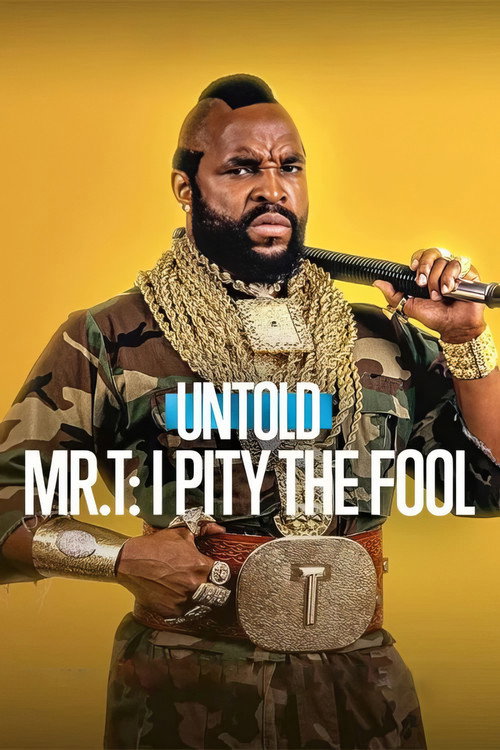
Scott Weintrob's 48-minute Netflix doc traces Laurence Tureaud — bouncer, bodyguard, Rocky III scene-stealer, A-Team icon — from a Chicago housing project to becoming one of the most recognizable silhouettes of the 1980s. The first act sets up the childhood: twelve kids, one apartment, a father who left, and a young Tureaud building the physical armor and stage name that would later fill a TV screen. Talking heads include Carl Weathers and Terry Crews, plus culture writer Scoop Jackson framing what a mohawked Black action figure meant on network TV in 1983.
What Works
Crews is the MVP. He talks about watching Mr. T sit across from Letterman and refuse to shrink, and you can hear him relitigating his own career through it. Weathers, filmed before his death, gives the Rocky III material a warmth that a lesser doc would've faked with B-roll. Weintrob keeps things tight — no bloated recreations, no fake tension, just archival that leans on how strange and specific Mr. T's whole deal actually was. The gold-chains-as-shackles origin still hits. And Jackson's framing of what Black performers were allowed to be on 80s TV gives the whole thing an argument beyond nostalgia.
The Argument Against
It's 48 minutes. That's the case against it in one line. The doc gestures at Mr. T's charitable work, his faith, his post-fame decades, and then the credits roll. Sylvester Stallone declined to participate, and you feel the absence in the Rocky section. Mr. T himself has publicly called the finished film garbage — his complaint being that his pastor got thirty seconds after a two-day interview. He's not wrong that the shape of it is Hollywood-first. If you want a real biography, this isn't one; it's a highlights reel with better-than-average talking heads.
The Right Viewer
Watch this if you grew up on The A-Team, if you liked the Andre the Giant HBO doc, or if the Untold series is already background noise in your house. Skip it if you want the exhaustive treatment ESPN gives its 30 for 30 subjects, or if you're allergic to the Netflix-doc house style where every emotional beat gets a piano cue. Fans of the Liver King or Malice at the Palace entries in this series know the rhythm — quick, watchable, doesn't overstay.
The Verdict
WORTH IT because the runtime matches the ambition. Weintrob isn't trying to reframe an American life; he's trying to make you sit with a guy whose image got so big it swallowed the person, and 48 minutes is honestly the right length for that pitch. Crews and Weathers do real work. The archival is well-chosen. Nothing here is preaching — Jackson's points about 80s TV land because he grounds them in specific casting decisions and specific interviews, not vibes. It doesn't lecture, it observes, and it gets out before wearing thin. A longer cut might've been better. This one is fine, warm, and finishable in a single sitting, which is more than most streaming docs can say.