The Setup
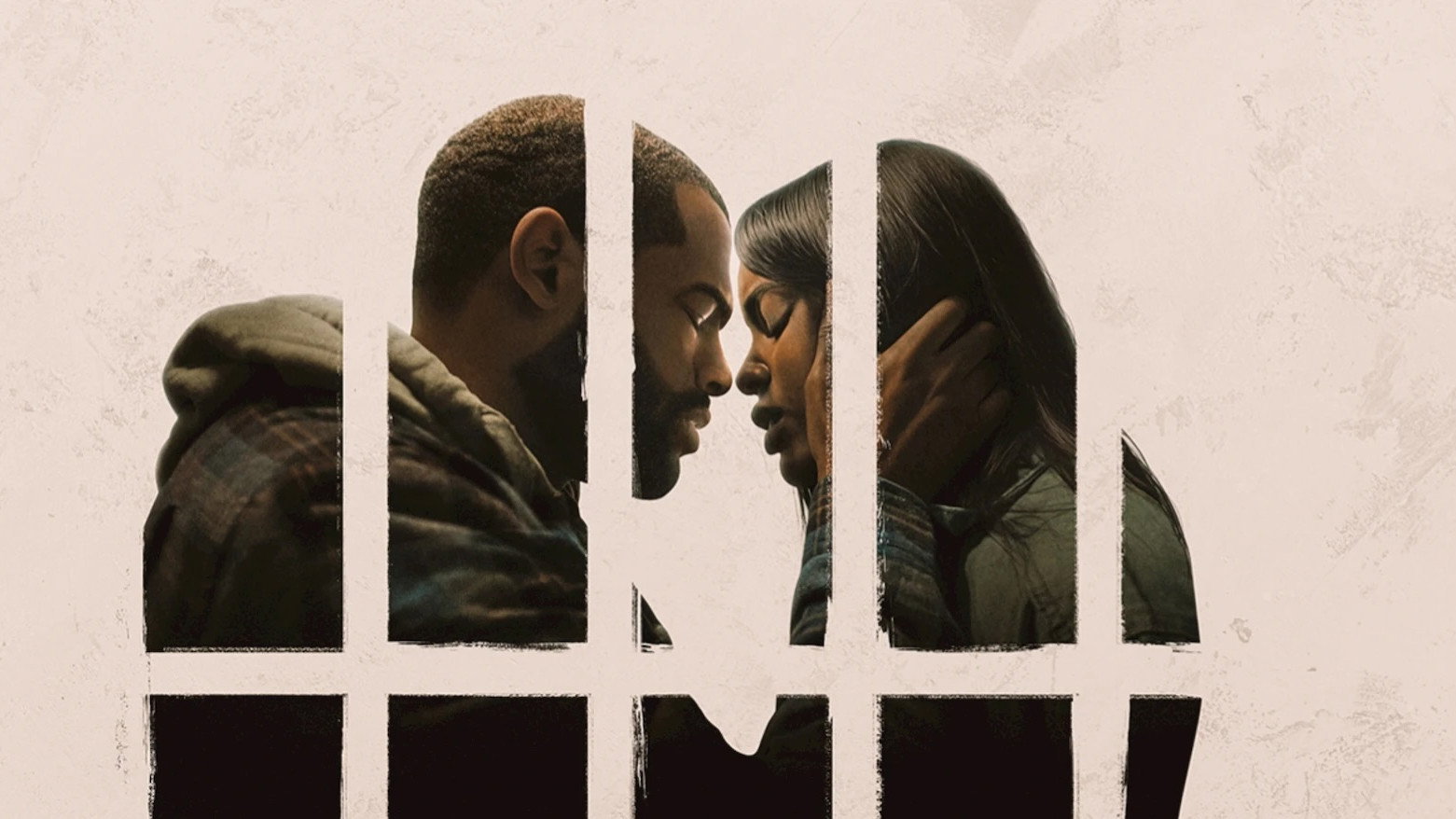
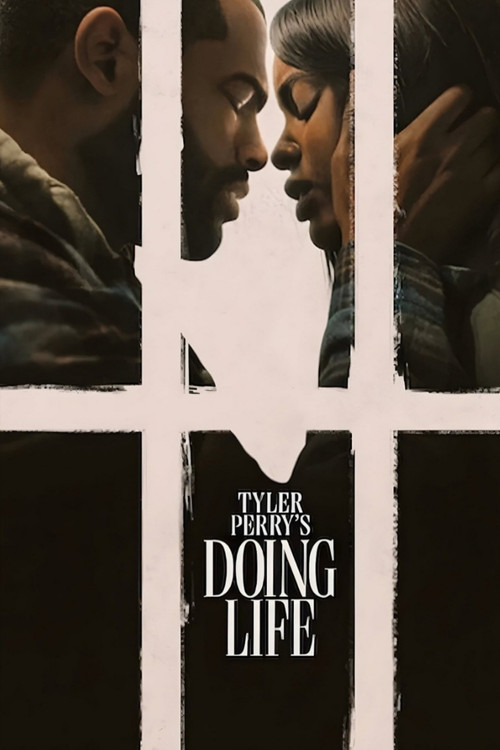
Tyler Perry wrote and directed this one, which tells you most of what you need to know before the first frame. Naomi Baker plays Anika, a pregnant correctional officer. Jay Reeves plays Carousel, an inmate at the prison where she works. The opening act stages a riot, Carousel pulls Anika out of it, and the whole movie flows from that moment. Afterward she starts writing him letters. He's near the end of his sentence. The supporting bench — Tamberla Perry, Karen Obilom, Danielle Moné Truitt, Cornell Young IV — fills in the family who thinks this correspondence is a terrible idea. It streams on Netflix, runs like a feature, and the logline calls it a "gritty urban drama," which is Perry-speak for "there will be yelling at a dinner table."
The Argument For
Jay Reeves is the reason to press play. He already did real work for Perry in The Six Triple Eight, and here he's doing the quiet heavy lifting — a guy who has to telegraph decency without the script giving him much runway. Naomi Baker holds the camera too; her scenes alone, reading and writing, are the stretches where the movie actually breathes. The letter-exchange section is the strongest thing Perry's shot in a while. Low stakes, two faces, patience. When the film trusts the pen-pal rhythm instead of plot machinery, it earns its sentimentality honestly.
What Doesn't Work
The craft wobbles the second anyone leaves a chair. Perry still shoots dialogue scenes like a sitcom pilot — flat masters, reaction cuts you can set your watch to, lighting that forgives nothing. The family-disapproval scenes play exactly how you'd guess from the premise, down to the specific lines. And once Carousel is out and the plot has to invent problems, the writing starts solving things in ways that feel like a producer glancing at a page count. Nobody who's seen a Perry movie will be surprised by a single beat.
Who Should Watch
If you liked A Jazzman's Blues, Mea Culpa, or the Madea run, this slots in without friction. If you clicked away from those within twenty minutes, nothing here converts you. It plays well while you're folding laundry or texting through a Tuesday. Fans of prison-correspondence romance in the Shawshank-adjacent, lightly weepy register will get what they came for. People who want their dramas directed with any real visual grammar should pick something else.
The Bottom Line
BACKGROUND TV because the thing works, barely, as a thing to have on. The leads are better than the direction. Perry writes and shoots at the same tempo he's used for fifteen years, and the script resolves its tensions by stating them out loud instead of dramatizing them. It isn't preachy in a culture-war sense; it's preachy in a greeting-card sense — characters pausing to narrate the moral of the scene they're in. That's a writing problem, not a politics problem. Good enough for the second screen. Not good enough for the first.
Sources: