The Pitch
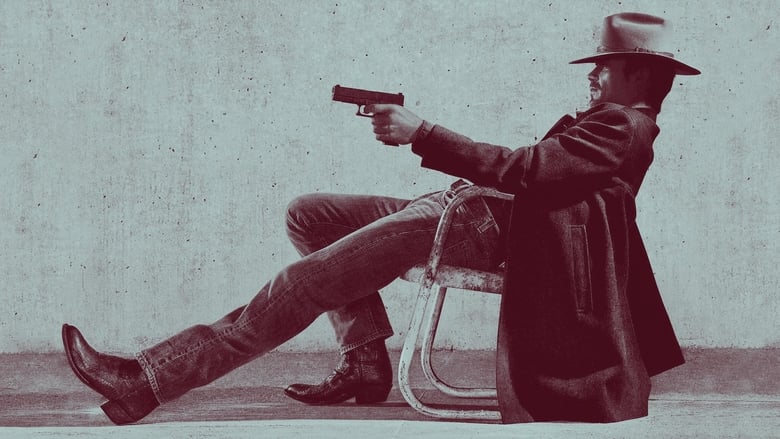
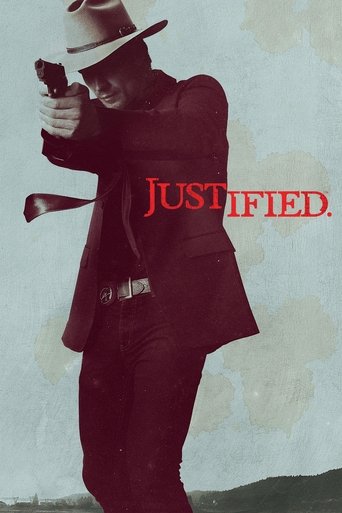
FX's Justified ran six seasons starting in 2010, built on Elmore Leonard's novella "Fire in the Hole" and shepherded by showrunner Graham Yost. Timothy Olyphant plays Raylan Givens, a Stetson-wearing deputy U.S. Marshal whose preferred conflict resolution involves giving a man until noon. The pilot ships him from Miami back to the Lexington field office, which puts him an hour from the Harlan County hollers he grew up in, where his father ran with the Crowders. Walton Goggins is Boyd Crowder, a childhood coal-mining buddy turned white-supremacist-turned-whatever-the-week-requires. Nick Searcy is the long-suffering chief, Joelle Carter is Ava, and Jacob Pitts and Erica Tazel round out the marshal bullpen.
The Case For
Olyphant and Goggins. That's most of it, and it's enough. Olyphant plays Raylan as a guy who's bored by his own competence, and Goggins turns Boyd into one of the great TV antagonists, a sermonizing shape-shifter who can quote scripture and shotgun somebody in the same breath. Leonard's dialogue is the other engine. The writers' room famously wore "What Would Elmore Do?" bracelets, and you can hear it: criminals who talk like they're pleased with themselves, lawmen who talk like they've got a punchline cocked. Season two, which pits the marshals against Margo Martindale's Mags Bennett, is some of the best crime television of the 2010s. The direction stays patient. The violence is sudden. The needle drops are good.
What It Gets Wrong
It's a procedural underneath the prestige coat, and some middle seasons feel like they're buying time until the next big bad shows up. Season three sags. Season four's mystery-box structure doesn't fully pay off until the back half. Side marshals get thin material. If you want serialized plotting that compounds every week like Breaking Bad, this isn't that. It's a case-of-the-week with a longer spine, and when the case of the week is weak, you feel it. The Kentucky accents also wander. A couple of recurring villains stay a season too long.
The Right Viewer
If you liked Deadwood, Fargo, or Longmire, you're already in. If you want the twangy cousin of Breaking Bad with more laughs and fewer ethical spirals, that's the pitch. People who need every episode to advance a master plot will bail around episode four. People who show up for two actors trading Leonard dialogue in a diner booth will mainline it.
The Ruling
WORTH IT because the craft holds. Yost's room understood that Leonard works on voice, not plot mechanics, and they built scenes that let actors cook instead of racing to the next beat. Olyphant underplays, Goggins overplays, and the collision is the show. There's no lecturing here, no themes shoved through a megaphone. The politics of Harlan County, poverty, extraction economies, the oxy pipeline, all come through character and setting rather than monologue. When a show has something to say, it says it by letting Mags Bennett pour you a glass of apple pie. That's writing earning its themes. Six seasons, a few soft spots, a lot of great hats.